From liability to asset — biosolids free from PFAS, PAHs, dioxins, and microplastics, at lower operational cost
Future-proof your Biosolids Waste Strategy: Water treatment plants face mounting regulatory pressure and rising costs for the disposal of sewage sludge (biosolids). Traditional methods like landfilling and agricultural spreading are increasingly problematic due to the presence of pathogens, heavy metals, and persistent contaminants like PFAS.
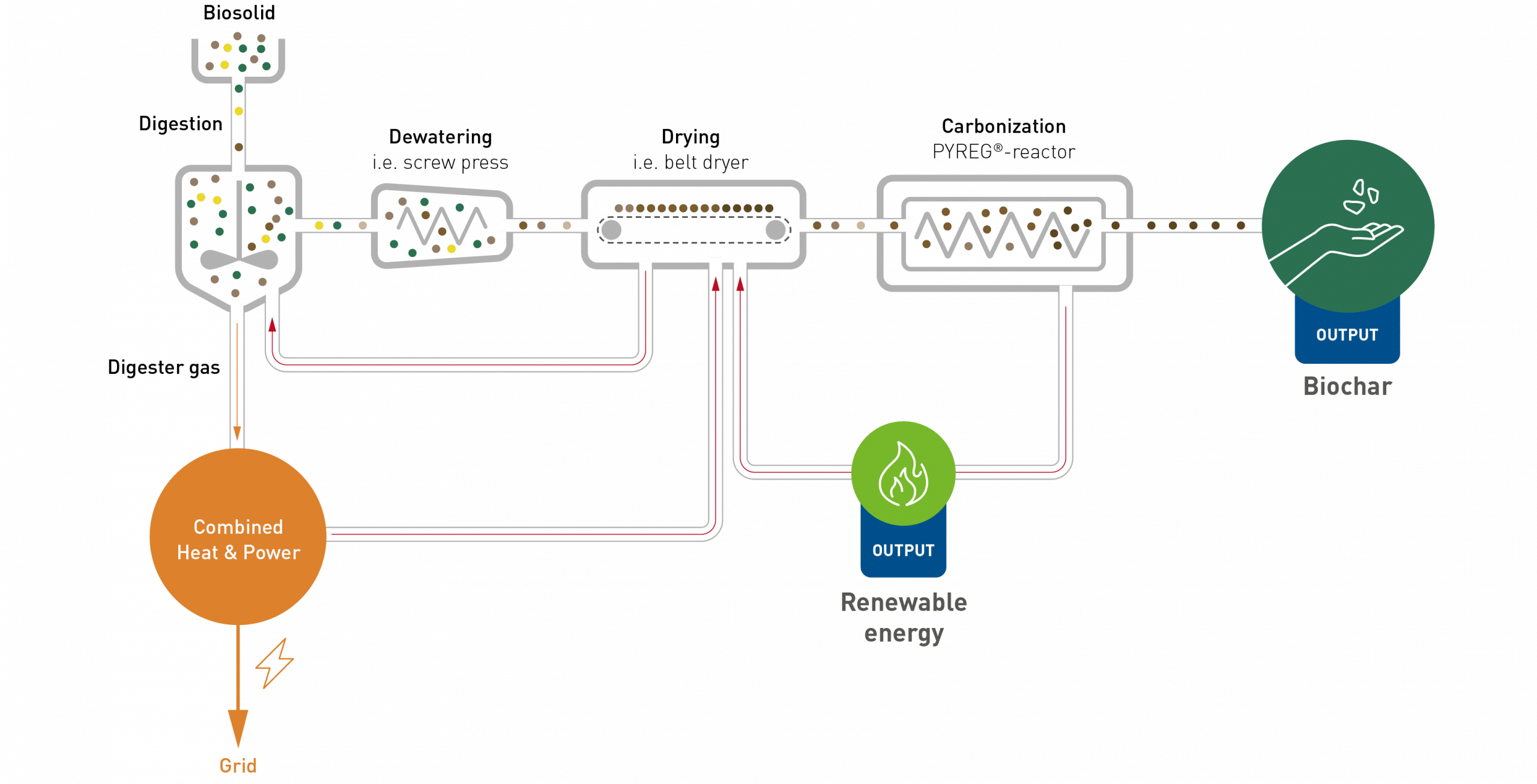
Our systems carbonize biosolids at 600–650°C before combusting the produced syngas in a patented FLOX® burner at 1,000°C — achieving highly effective destruction of hazardous contaminants (incl. PFAS, PAHs, dioxins, and microplastics), dramatic mass and volume reduction, and efficient recovery of nutrients (incl. phosphorus), while minimizing emissions and optimizing operational costs.
- Destruction of Contaminants
- Disposal Cost Reduction
- Phosphorus & Potassium Recovery
- Minimal Emissions
- Operational Energy Efficiency
- Carbon Credit Revenues
Quantifiable Benefits
Solve Disposal Liability & Optimize Plant Economics
Destruction of Contaminants
Biosolids are carbonized at 600–650°C before the produced syngas is combusted in PYREG’s patented FLOX® burner at 1,000°C — achieving highly effective destruction of PFAS, PAHs, dioxins, microplastics, pharmaceuticals, and pathogens, and delivering a sterile, contaminant-free biochar output.
Disposal Cost Reduction
The pyrolysis process reduces biosolids volume by up to 90% and mass by up to 70%, significantly eliminating costly logistical burdens, long-term storage needs, and expensive specialized disposal fees (landfilling/incineration).
Minimal Emissions
PYREG’s patented FLOX® combustion uses flameless oxidation, exhaust gas recirculation, and lambda-controlled combustion to suppress NOx formation and ensure complete burnout — delivering industry-leading low emissions of NOx, CO, dust, and acidic components, without expensive secondary treatment.
Phosphorus & Potassium Recovery
Unlike conventional thermal processes, our method efficiently concentrates valuable Phosphorus (P) and Potassium (K) into the final carbonizate, meeting resource recovery mandates and creating a hygienic, nutrient-rich input for P-fertilizer production.
Operational Energy Efficiency
The thermal energy recovered from the controlled process can be reused to significantly reduce external energy reliance by providing the heat necessary for drying the incoming wet sludge and improving overall plant efficiency.
Carbon Credit Revenue
Proven Performance: Destruction of Persistent Pollutants
Scientific studies and commercial operations confirm the highly effective destruction of PFAS, PAHs, Dioxins-PCDD/F, and pharmaceuticals by the PYREG carbonization process.
1. Thoma, Eben D., et al. “Pyrolysis processing of PFAS-impacted biosolids, a pilot study.” Journal of the Air & Waste Management Association 72.4 (2022): 309-318.
2. Meyer, Sebastian, et al. “Thermal Removal of Polycyclic Aromatic Hydrocarbons from Gasification Biochars.” Environ. Risk Assess. Soil Contam (2014).
3. Thiem, Caroline, et al. “Pflanzenkohle aus kontaminiertem Auen-Grünland.” Freie Universität Berlin, Arbeitsgruppe Geoökologie, geo.fu-berlin.de (2014).
4. Stenzel, Fabian, et al. ”Arzneimittelrückstände in Rezyklaten der Phosphorrückgewinnung aus Klärschlämmen: Abschlussbericht.” Umweltbundesamt (2019).
Modular Design and Seamless Integration
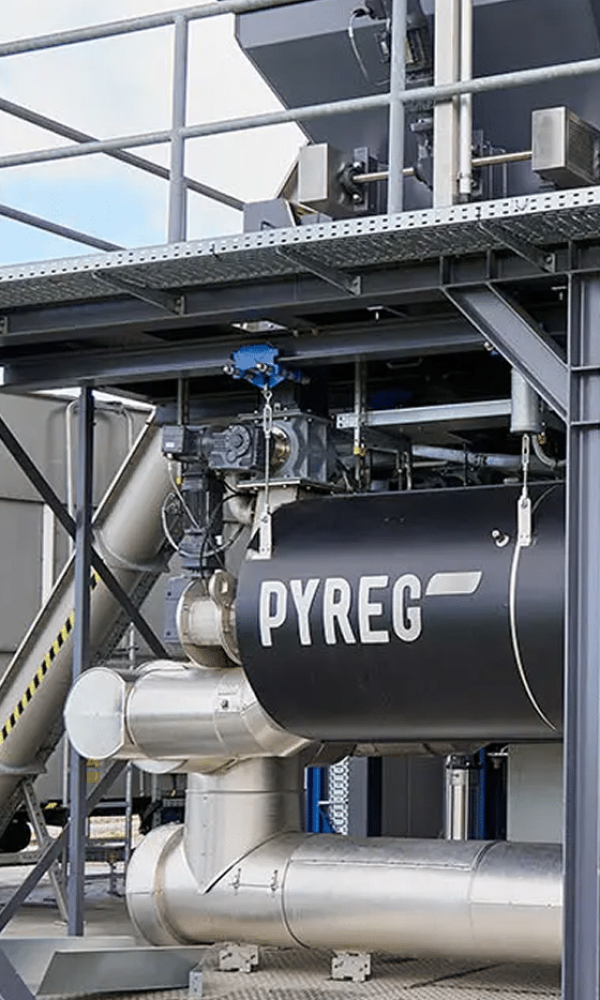
PYREG plants are engineered for maximum efficiency, proven reliability, and compact deployment, allowing them to be easily integrated into existing industrial infrastructure and material cycles. Our modular design facilitates seamless integration with essential peripherals such as dryers, digesters, and dewatering units.
This approach, coupled with specialized project support, ensures high uptime and low-risk commissioning for EPCs and operators.
Transforming Sewage Sludge into Nutrient-Rich Biochar
The biosolids carbonization process yields a sterile, nutrient-rich material that is perfectly suited for resource circularity initiatives and safe, profitable market utilization.
High-Grade Phosphorus Fertilizer
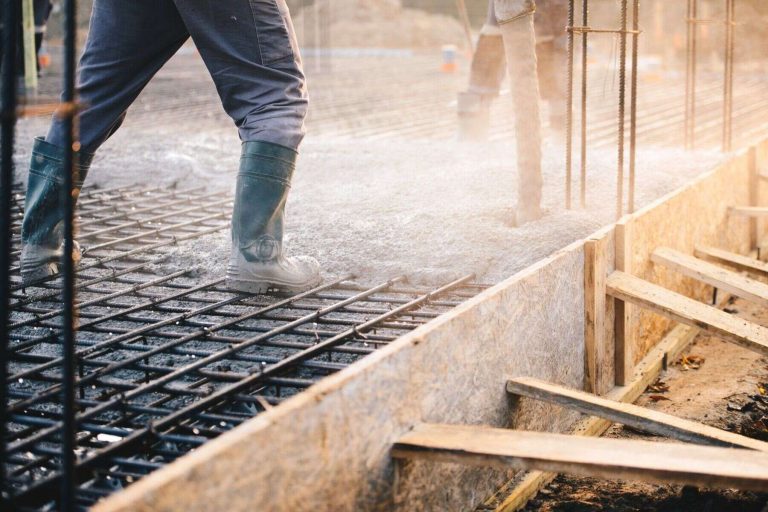
Construction & Road Fill
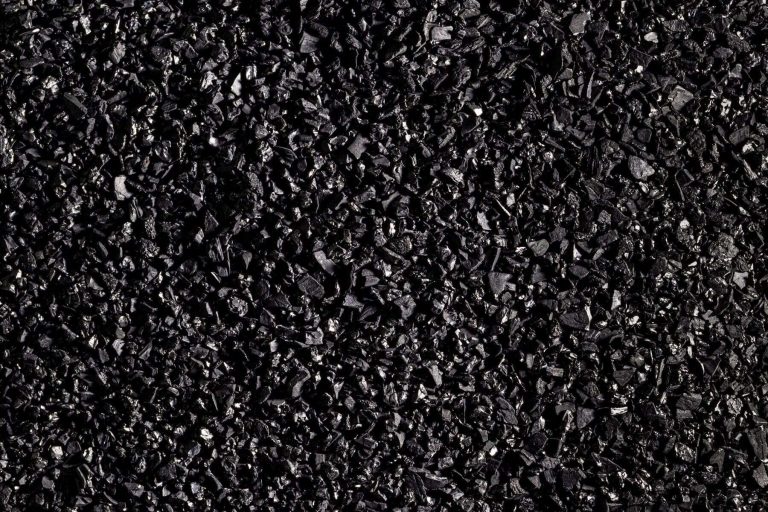
Adsorbent Potential
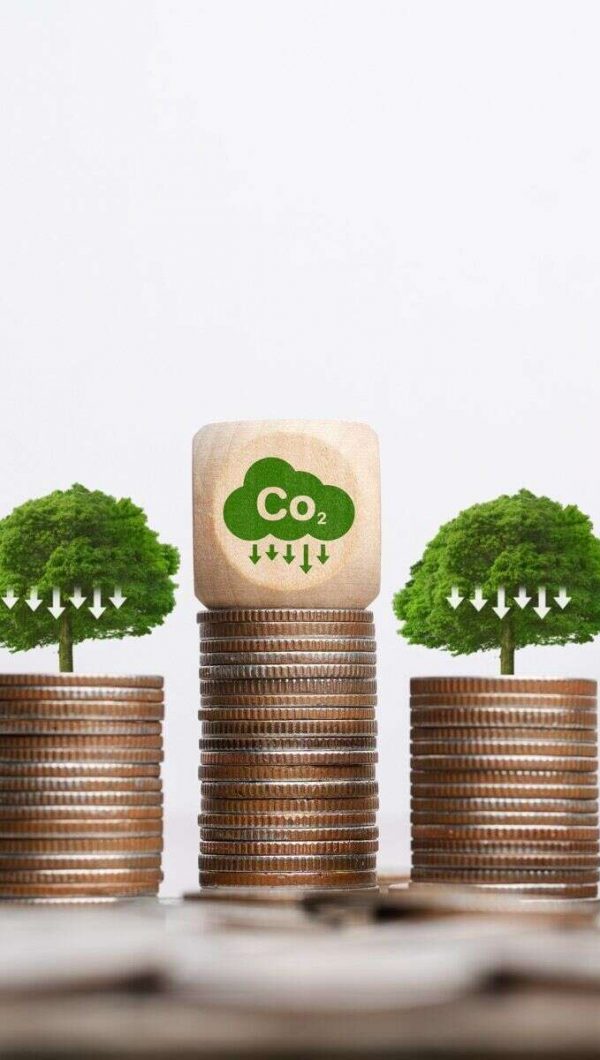
Turn Biosolids into a Carbon Credit Revenue Stream
While biosolids contain less carbon than other biomass feedstocks, PYREG’s carbonization process permanently sequesters that carbon into stable biochar, producing material that qualifies for verified carbon removal credits — turning a waste stream into a measurable, certifiable contribution to carbon dioxide removal and a new revenue source for municipalities and plant operators.
- Generate Biochar Carbon Removal (BCR) Credits
Each BCR credit represents one ton of CO₂ permanently removed from the atmosphere and stored in stable biochar — verified and sold on voluntary carbon markets to corporations seeking high-quality, long-duration climate solutions.
- Turn a Disposal Cost into Carbon Credit Revenue
Every ton of biosolids processed generates certified biochar eligible for BCR credits, creating a direct revenue stream that improves project economics and reduces reliance on external subsidies.
- Simple Market Access
PYREG provides guidance on certification and carbon market access, making it straightforward for your plant to certify biochar and begin monetizing its carbon removal contribution.